

Fast, Reliable ADU Builders Across San Joaquin Hills
Building an ADU in San Joaquin Hills means clearing HOA architectural review before the City of Newport Beach ever sees your plans, and the finish palette you submit to the HOA is the one that has to survive coastal salt air and Santa Ana wind. That’s the order of operations here, and it changes what actually makes a project affordable. We’re Newport Beach ADU Builders, and our ADU Builders team works across San Joaquin Hills weekly; call us at (844) 934-0236 to schedule a free estimate for a detached casita, garage conversion, or JADU on your lot.
Why Newport Beach ADU Builders Is San Joaquin Hills’s Preferred ADU Builders Company
San Joaquin Hills homeowners don’t have the luxury of a generic ADU spec. The houses here are large 1980s to 2000s Mediterranean and Spanish-style estates on steep canyon lots, and the casitas, guest houses, and garage conversions they add have to look like they were part of the original build. We’ve walked enough HOA submittals in San Joaquin Hills to know which roof pitches and exterior finishes the architectural committees actually approve, and which ones come back marked for resubmission.
Neil Stratton, who leads our team, has structured this company around one thing: working across the brands homeowners are already comparing, rather than pushing a single manufacturer. That matters in San Joaquin Hills because your lot conditions and HOA rules will point to one format over another – a factory-built modular unit, a design-forward prefab, or a conventional shed conversion – and we can tell you honestly which one fits before you spend a dollar on plans.
Detached ADU in San Joaquin Hills
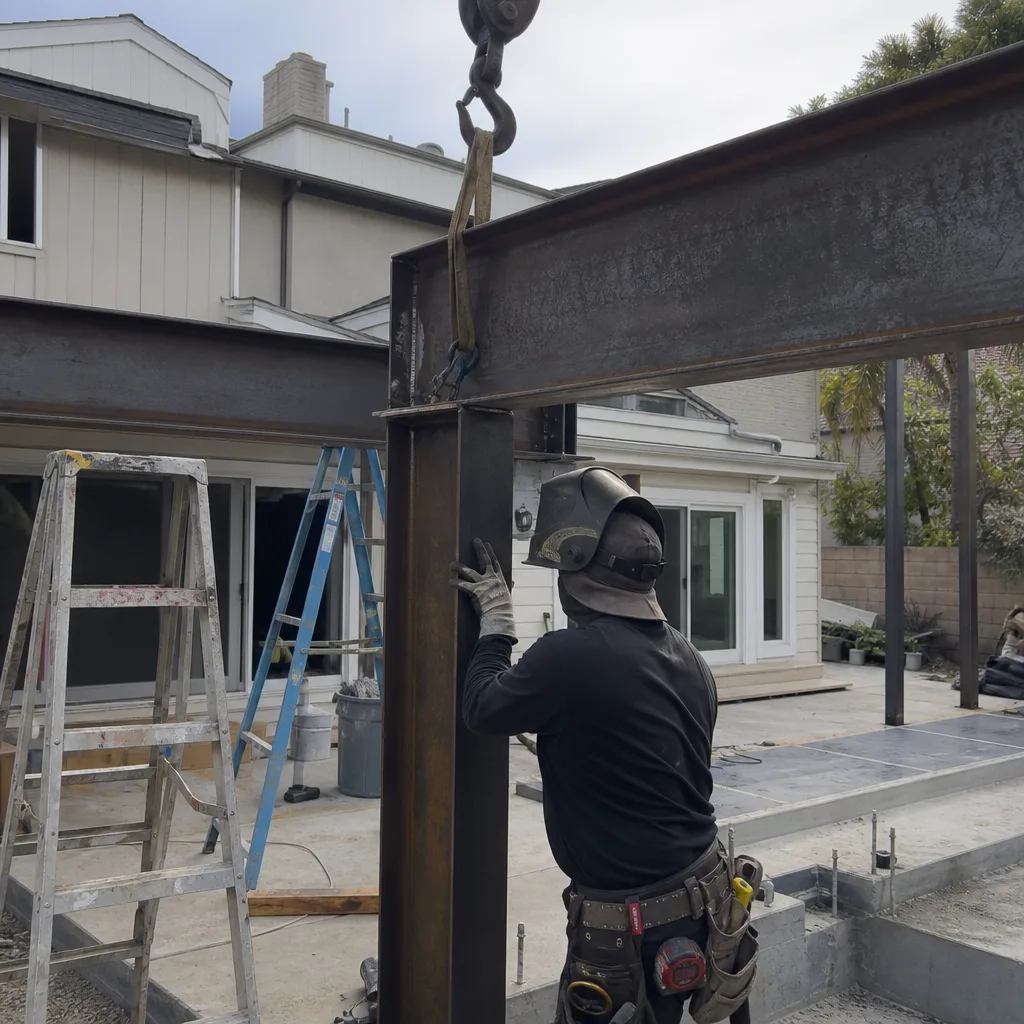
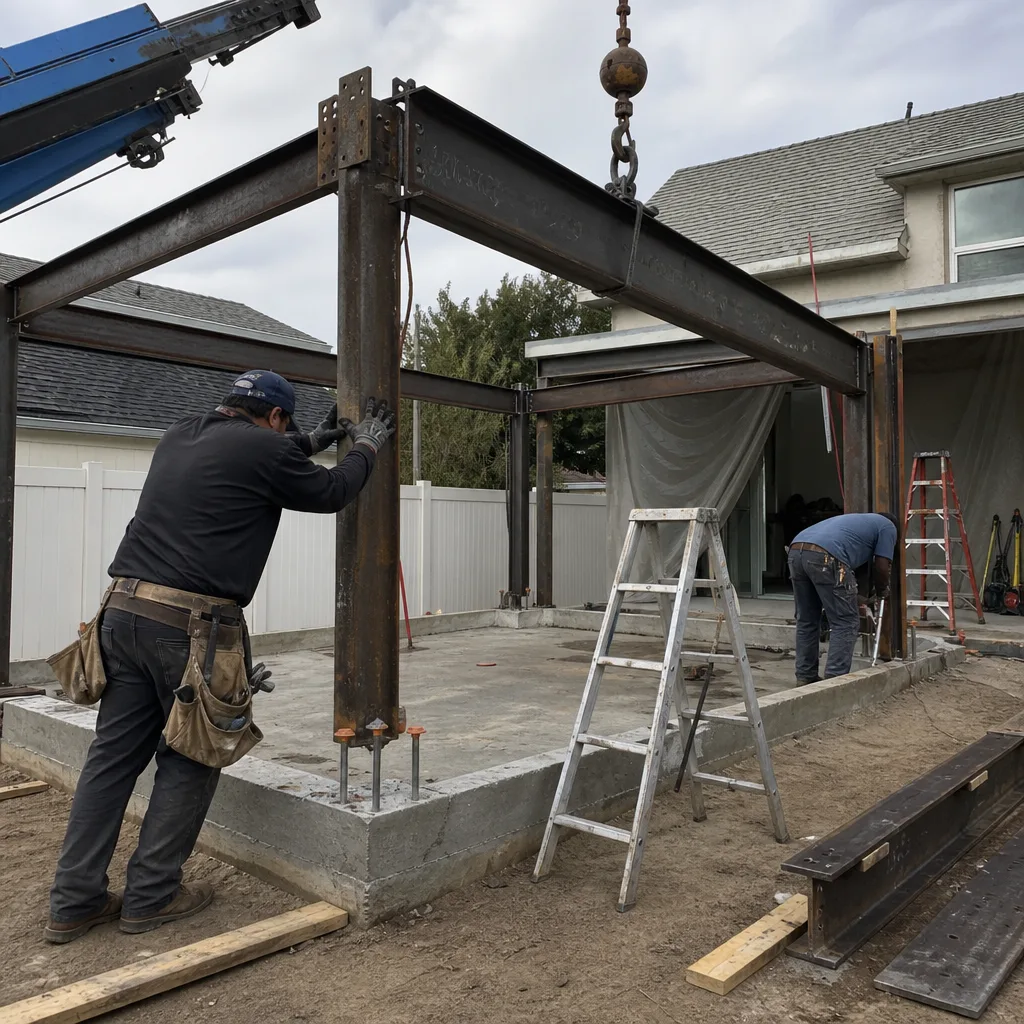
Detached ADU construction is the most common project we take on in San Joaquin Hills because the primary homes are already large enough that attaching a unit rarely makes sense. A detached casita or guest house gives you rental income or space for extended family without altering the main house’s footprint. In San Joaquin Hills, a detached ADU typically runs $180,000 to $420,000 depending on square footage, site grading, and the exterior finish your HOA requires.
What changes the number fastest here is the slope. Canyon-edge lots in San Joaquin Hills sit on graded pads with retaining walls, so foundation work and drainage design can exceed the cost of the structure itself if the pad wasn’t engineered for additional load. We pull geotechnical review early on these sites so the HOA submittal and the city permit package don’t get delayed by surprises.
Slope and retaining-wall engineering
Every detached ADU on a San Joaquin Hills canyon lot needs a slope-stability assessment before the city will even look at the ADU plans. If your pad has an existing retaining wall, we verify it was built for the added structure load – many older walls weren’t. We coordinate the engineering so the architectural package and the structural package move in parallel, not in sequence.
Fire-hardening and exterior materials
The canyon-edge brush interface in San Joaquin Hills puts your ADU in a higher fire-safety category than the same unit built a mile inland. We specify James Hardie fiber-cement siding as the default here, not an upgrade; its fire resistance and 30-year track record matter more on these lots than anywhere else in Orange County. Vent screens, ember-resistant eaves, and sealed joints all go into the HOA package from the first submittal.
JADU in San Joaquin Hills
JADU projects in San Joaquin Hills are a smaller share of our work than detached builds, but they’re the right call when the primary home has an attached garage or a bonus room with its own entrance. A junior ADU converts existing square footage rather than adding new structure, which keeps the cost down and often skips the most difficult slope and foundation work. In San Joaquin Hills, a JADU conversion typically runs $95,000 to $180,000 depending on the condition of the existing garage or room, kitchen requirements, and whether your HOA considers the conversion a change to the primary structure.
The HOA angle is different with a JADU: because you’re not changing the home’s exterior massing, architectural review can be faster, but some San Joaquin Hills communities still require a submittal for any exterior door or window changes. We file the JADU paperwork with the city while the HOA packet moves on its own track.
Attached garage conversions
A garage conversion JADU in San Joaquin Hills usually means you keep the existing shell and build out the interior, which is the fastest path to rental income on these lots. The catch is that many 80s and 90s garages here were built on slab floors without perimeter drainage, so salt-laden moisture can migrate up through the concrete. We test for that before we lock a finish schedule.
Interior finishing with the same contractor
Because we also handle kitchen and bathroom remodeling, a JADU in San Joaquin Hills can go from roughed-in shell to fully finished unit without a second contractor showing up mid-project. We do the mechanical, the tile, the cabinetry, and the trim under one contract, which keeps the construction timeline from stretching across two or three different trades’ schedules.
Trusted Brands We Service in San Joaquin Hills
We’re authorized to build and install from a roster of manufacturers including Plant Prefab, Tuff Shed, Abodu, and James Hardie, which means the brand conversation in San Joaquin Hills starts with what fits your HOA and your lot, not what one dealer happens to stock. If your architectural committee prefers a casita that matches the existing estate’s Mediterranean profile, a conventional site-built or Tuff Shed conversion makes more sense than a modern modular unit. If you want speed and a fixed factory price, an Abodu or Plant Prefab unit gets permitted faster. We carry the hardware and finish samples for these brands locally, so you can see what actually holds up in San Joaquin Hills salt air before you commit.
Common ADU Builders Problems We See in San Joaquin Hills Homes
- HOA finish packages approved twice. Owners choose a stucco color or roof tile from an inland showroom, the committee approves it, and then salt air fades or chalks the finish within a few years. The repair requires a second architectural submittal, and the committee rejects the mismatched patch. You have to lock the coastal-grade finish at the first HOA submittal, not the permit stage.
- Rusted-through railing posts and fence hardware. Electroplated or zinc-plated fasteners spec’d to inland prices pit and bleed rust within two or three marine-layer seasons on exposed casita elevations. We’ve opened base plates that looked fine on the outside and found the post rusted through from the inside.
- Spalled paver joints on ADU patios. Unsealed joint sand wicks salt-laden moisture up from the ground, and within a decade the pavers spall while the ADU structure itself is fine. The cheap paver spec costs more than the sealed coastal spec by year ten.
- Foundation drainage missed on graded pads. Detached ADUs on San Joaquin Hills slopes often sit on pads that were cut and filled decades ago, and drainage was an afterthought. When drainage fails, the structure doesn’t move but the stucco wicks moisture up from the grade line, and you’re looking at a re-clad on a building that’s structurally sound.
On a graded pad off the ridge above Newport Coast Drive, our crew tore out a twelve-year-old detached casita’s original railing and fence posts that had rusted through from the inside at the base plates. We rebuilt with hot-dipped galvanized post anchors and 316 stainless fasteners, re-clad the walls in James Hardie fiber cement with sealed factory finish, and swapped the failed steel window frames for marine-grade aluminum. The owner’s only visible change was the color. The materials line moved; the framing didn’t.
Pricing for ADU Builders in San Joaquin Hills, CA
A coastal-spec ADU in San Joaquin Hills runs meaningfully higher than the same square footage in, say, Irvine or Aliso Viejo. The gap is materials, not labor: hot-dipped galvanized hardware instead of zinc-plated, 316 stainless fasteners, marine-grade aluminum window frames, sealed James Hardie siding joints, and sealed paver systems on patios. Most of these line items add $14,000 to $35,000 to a detached ADU depending on size and exposure, and they are not optional on canyon-edge lots. We write every estimate as a line-item quote so you can see exactly what the coastal spec costs versus the inland spec. You can choose the cheaper hardware – we’ll install what you ask for – but we won’t spec it without telling you what we’ve had to tear out on other San Joaquin Hills casitas. Call (844) 934-0236 to get an exact quote for your lot; the estimate is free.
Written by Neil Stratton, Owner at Newport Beach ADU Builders, serving San Joaquin Hills and Orange County.
We Also Serve Cities Near San Joaquin Hills
We work throughout the coastal canyon communities and surrounding cities, including San Joaquin Hills, Aliso Viejo, Newport Beach, Laguna Beach, and Irvine. If you’re outside San Joaquin Hills proper but within the 92657 corridor or the neighboring canyons, the same coastal-spec material approach applies.
Serving San Joaquin Hills, CA — Our Local Coverage Area
We’re based in the San Joaquin Hills area and know this community well. Use the map below to see our service coverage — if you’re nearby, we can almost certainly help.
FAQs About ADU Builders in San Joaquin Hills
Because the hardware and finishes that survive San Joaquin Hills salt air and Santa Ana wind cost more. Hot-dipped galvanized post anchors, 316 stainless fasteners, marine-grade aluminum window frames, sealed fiber-cement joints, and sealed paver systems add roughly $14,000 to $35,000 to a detached ADU depending on size and exposure. The inland-spec version of the same build uses zinc-plated hardware and unsealed joints that fail within two to three marine-layer seasons. Cheap spec costs more by year ten. Call (844) 934-0236 for a line-item quote that shows both options.
Yes. In San Joaquin Hills, the HOA architectural committee reviews the casita’s roof pitch, exterior finish, and color palette before the City of Newport Beach plan check happens. If the committee rejects the finish, the city never sees the submittal, and you start over. That’s why we lock the coastal-grade finish at the first HOA submittal; it avoids the second review and the mismatched repair the committee will reject anyway. We’ll walk the HOA packet with you start to finish.
Electroplated and zinc-plated fasteners, railing base plates, fence post anchors, steel window frames, and unsealed paver joints. The failure is usually hidden: posts rust through from the inside at the base plate while the powder coat outside still looks intact. We specify hot-dipped galvanized anchors, 316 stainless fasteners, and marine-grade aluminum frames on every exposed San Joaquin Hills elevation. If your current ADU has original inland-spec hardware, we can inspect it before it becomes a structural issue; call (844) 934-0236 to set that up.
It depends on the specific lot and what the City of Newport Beach’s wildfire overlay requires, but the canyon-edge brush interface in San Joaquin Hills means any new exterior opening or attached conversion is evaluated against fire-safety standards. Ember-resistant vents, sealed soffits, and non-combustible siding like James Hardie fiber cement are common requirements. A JADU conversion often triggers fewer fire-hardening items than new detached construction because you’re modifying existing square footage, but we verify the requirements for your specific parcel before the JADU plans are finalized.
It changes more than the materials; it can change the entire foundation approach. San Joaquin Hills canyon lots often sit on graded pads with retaining walls that were not engineered for additional structural load. We pull a slope-stability and geotechnical review early, and if the pad needs new retaining-wall engineering, that cost can exceed the ADU structure itself. On the materials side, sloped canyon-edge exposure means the windward elevation takes more salt and Santa Ana wind, so we spec marine-grade finishes on the exposed side at minimum, and usually the whole envelope. Call (844) 934-0236 for an estimate that accounts for your specific slope and exposure.